A technique new to Monash Health can help males with metastatic testicular cancer and provide new hope for male fertility.
A minority of men with testicular cancer can experience sperm production issues and have no detectable sperm in their ejaculate. However, there may still be precious few sperms within the testicle, which can be retrieved by performing a microscopic testicular retrieval of sperm (micro-TESE).
Testicular cancer is the second most common cancer in men aged in their 20s and 30s.
Ali Jaffari, a 23-year-old male, was the first patient at a public hospital in the state to undergo a micro-TESE after being diagnosed with metastatic testicular cancer.
Using the procedure, the Monash Health urology team was able to retrieve and preserve enough sperm to be used later in assisted reproduction.
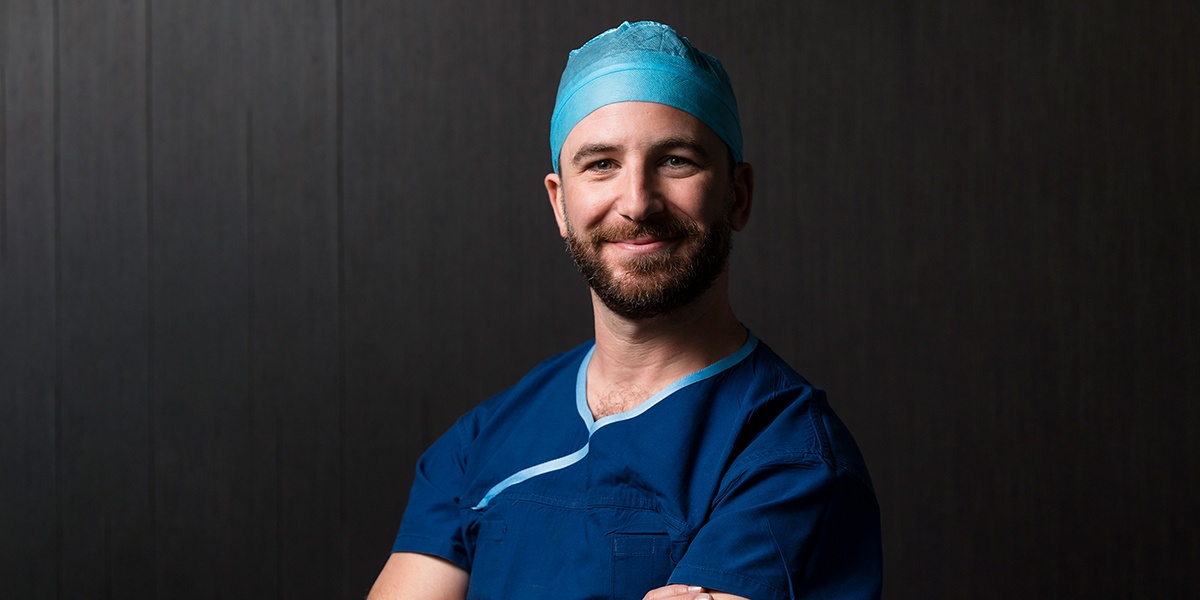
Monash Health urologist Dr Gideon Blecher, together with Melbourne IVF, performed the micro-TESE for the first time in a Victorian public hospital.
“In some men who have testicular cancer, sperm may be completely absent in the ejaculate. When we operate on these men, we can harvest sperm from either the affected testicle (which is being removed anyhow), or using microsurgery from the other healthy testis, preserving the man’s fertility allowing him to have kids one day,” said Dr Blecher.
Ali has completed nine weeks of chemotherapy and has since made a full recovery.