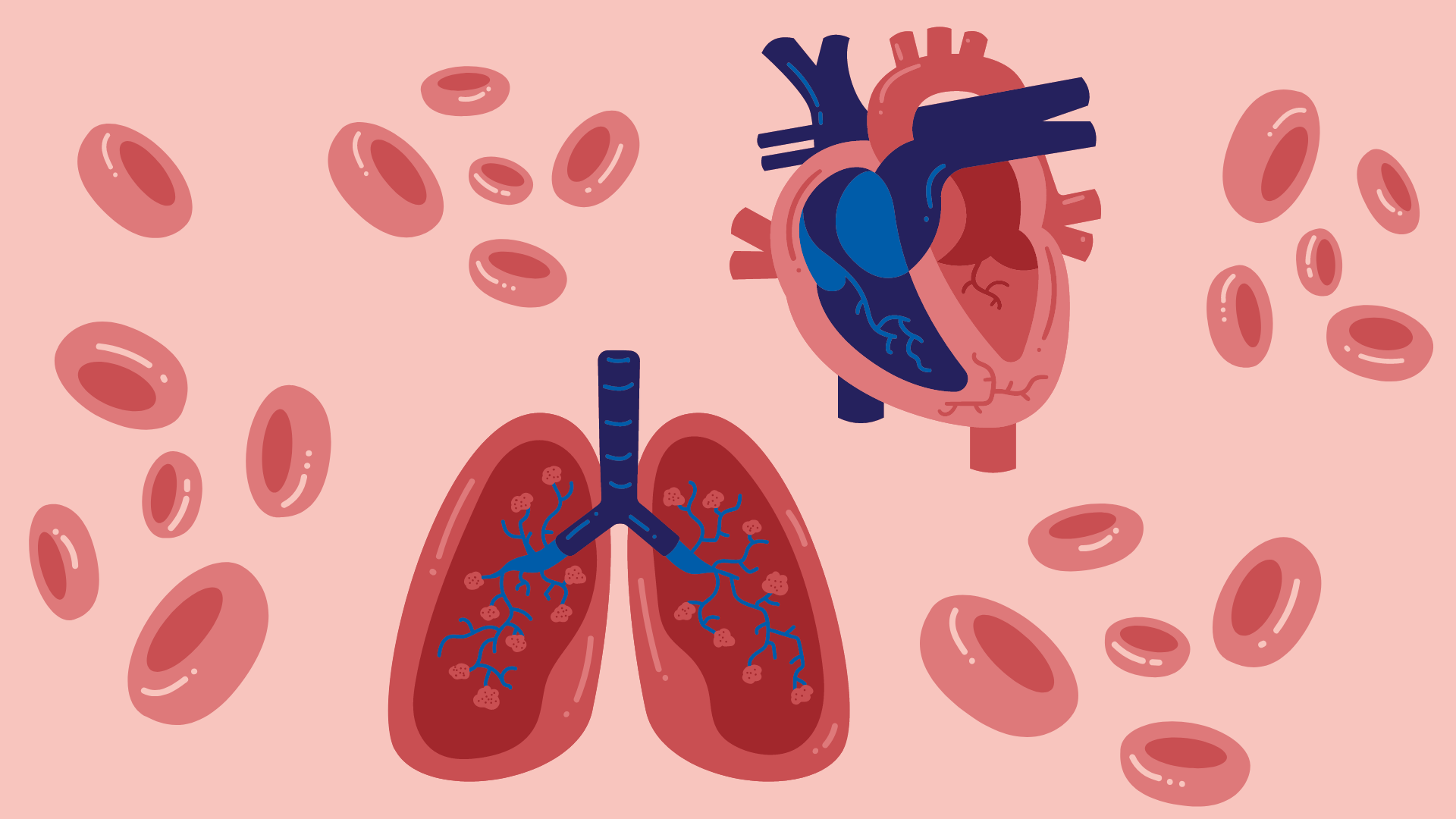
The formation of a blood clot inside a blood vessel, known as thrombosis, can lead to a stroke or heart attack resulting in disability or death.
On World Thrombosis Day (13 October), Monash Health’s Haematology Department encourages you to learn the signs and risk factors of thrombosis and to seek immediate medical attention if you suspect a clot.
“Earlier this year, a person experienced symptoms for a number of days, they subsequently presented to hospital in a very serious condition” said Clare Jeans, a Venous Thromboembolism (VTE) and Anticoagulation Nurse Consultant in Monash Health’s Haematology Department.
“If you experience symptoms of a blood clot, please seek medical attention promptly. You can see your GP or the Emergency Department if your GP is unavailable.”
The symptoms of thrombosis vary depending on where in the body the clot forms.
Symptoms associated with a blood clot in a vein deep in the body, deep vein thrombosis (DVT), include swelling, pain, warmth, and redness in the affected limb.
While symptoms of a blood clot in the lungs, known as a pulmonary embolism (PE), may include chest pain, shortness of breath, rapid heart rate, lightheadedness and coughing up blood.
A person is at greater risk of having a blood clot if they:
- have had a clot in the past
- are immobile for long periods (for example, if they are confined to bed following surgery or a heart attack, or have broken a leg)
- have certain cancers
- sit in a cramped position while travelling for four or more hours
- are an unhealthy weight
- are pregnant
People can reduce their risk of having a clot by:
- engaging in regular physical activity
- maintaining a healthy weight
- avoiding prolonged immobility