
Neurodiversity: it’s not what you think it is
What do Bill Gates, Emma Watson and Elon Musk have in common?
They’re all neurodivergent, and part of the neurodiverse community.
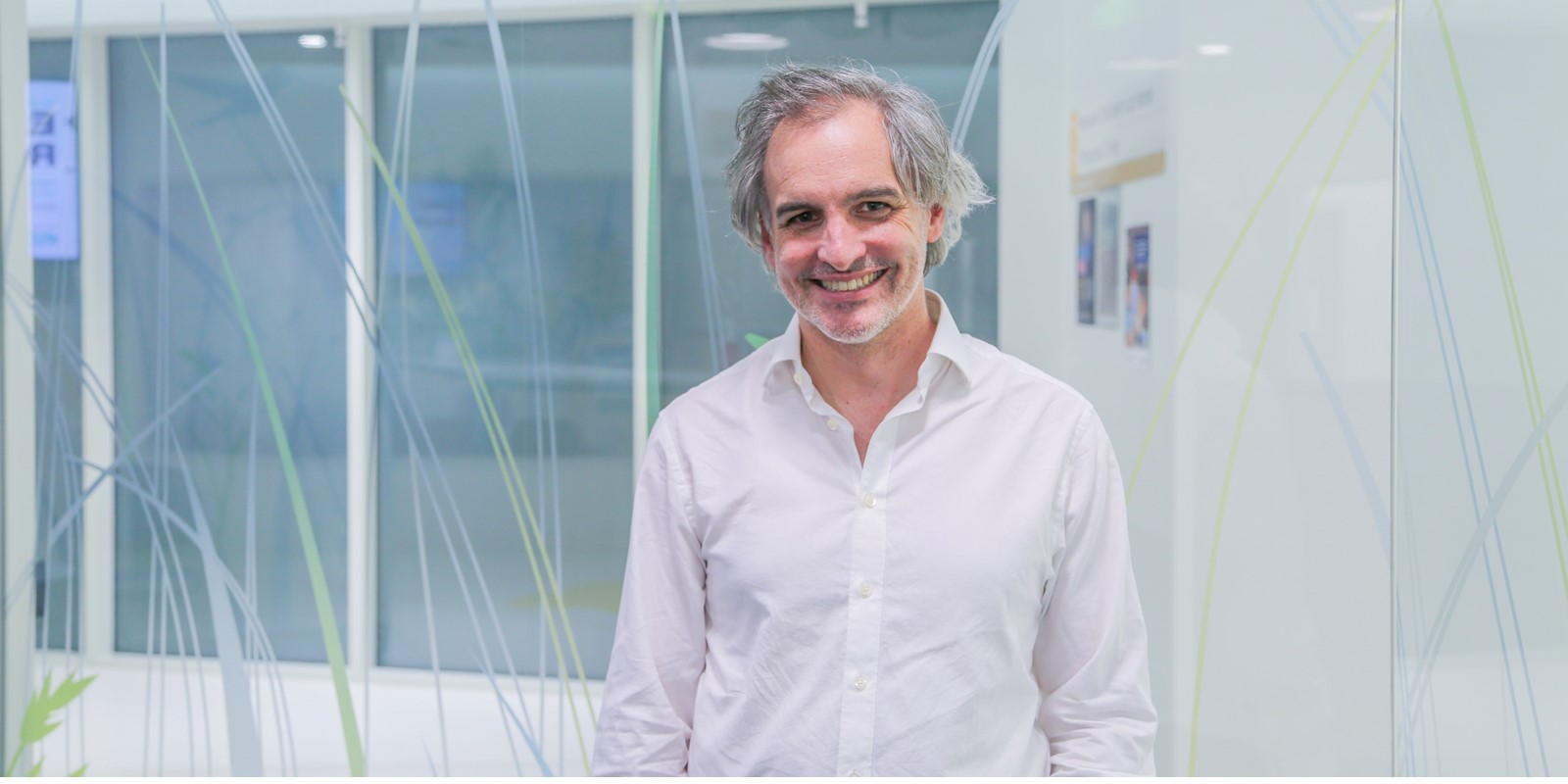
According to Consultant Child and Adolescent Psychiatrist James Meyer-Grieve, the term neurodiversity encompasses a range of diagnoses including autism, ADHD, dyslexia and dyspraxia.
“The term is broader than people who just meet the diagnostic criteria – everyone has some level of neurodiversity but it’s about thinking and perceiving differently to other people,” he said.
As this week is Neurodiversity Celebration Week, it’s an important time to break down misconceptions about neurodiverse persons and highlight the great strengths they bring to the table.
“Neurodiverse persons often have an extraordinary capacity for attention to detail and nuance, and have a great tenacity with certain tasks and within a certain range of fields – it can underpin real excellence and inventiveness,” Dr Meyer-Grieve said.
But while those in the neurodiverse community are revered for their creativity, they also face some struggles that neurotypical people don’t.
“For these people, there are often sensory hypersensitivities which means busy and loud environments can be distressing,” he said.
“They are people who sometimes need structure and routine to flourish, and people who often struggle finding acceptance in the broader community because they do things differently and behave differently and this can lead to discriminatory behaviours.”
For Dr Meyer-Grieve, he said it was very important to realise that each individual neurodiverse person is different and they shouldn’t be lumped in the one basket together.
“Each person with neurodiversity needs to be viewed as an individual human with individual needs and be respectful of that person’s needs and preferences in a work environment, wherever that is practicably possible,” he said.
“These needs must be respectfully validated rather than viewed through preconceptions.”
If you know a neurodiverse person in your workplace, school or community, Dr Meyer-Grieve said it’s important to be conscious of how things affect them differently.
“Check in with them about how those things could be mitigated is a great way to create a friendly neurodiverse environment,” he said.
It’s also important to check in and educate yourself on common misconceptions about neurodiversity.
“A big misconception with autism particularly is that these people don’t care about interpersonal relationships, and that’s the most horrendous misconception because these people often have profound interpersonal needs, and for some, it’s the most important thing about their lives,” Dr Meyer-Grieve said.
“If that’s not hard enough, imagine having people think they’re indifferent to relationships and friendships.”
At the end of the day, he said neurodiverse persons make great friends and additions to the workplace.
“They’re really interesting people that are worth getting to know,” he said.
Monash Health is currently conducting several research studies into neurodiversity, including testing children with ADHD and ASD to determine if there are sub-groups of these conditions by looking for broad genetic markers.


