
A nation-leading stroke clinic at Monash Health, the first in Australia dedicated to caring for women, aims to reduce gender-based disparities in stroke outcomes.
Stroke risk factors
Men and women share some risk factors for stroke, including high blood pressure, smoking, diabetes and high cholesterol.
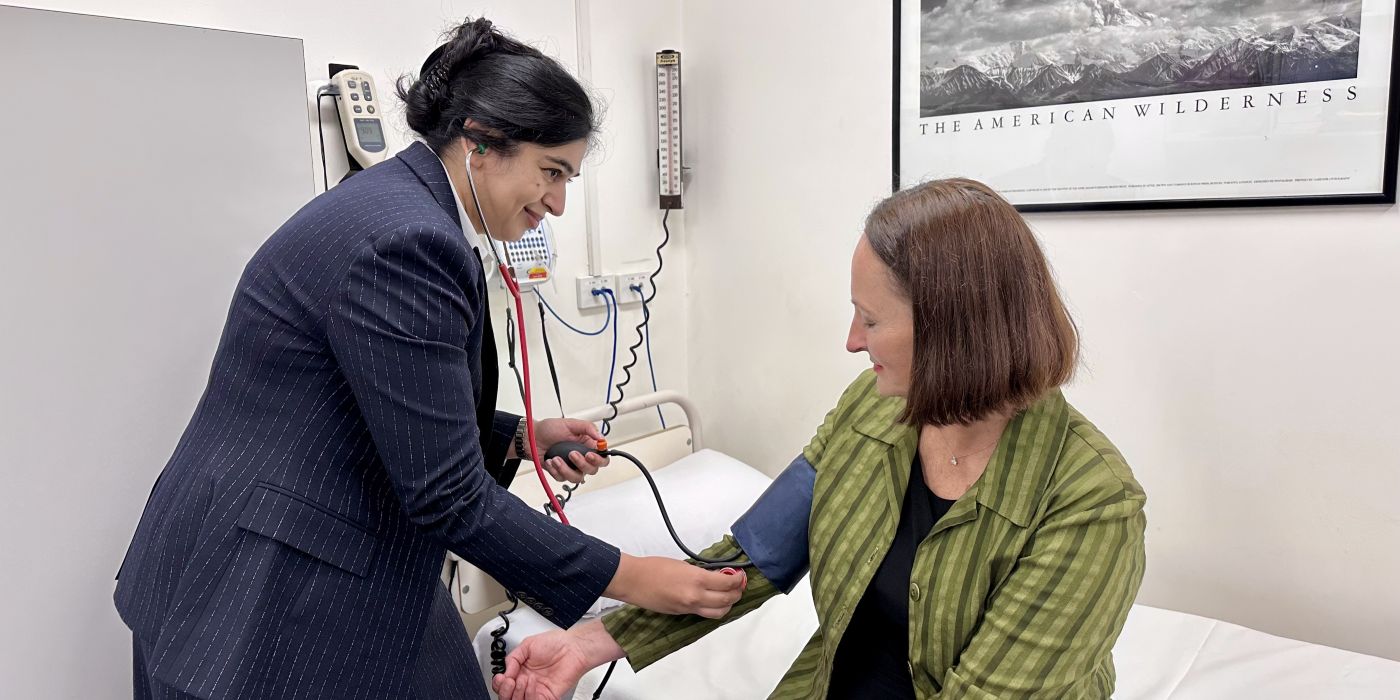
Hypertension, or high blood pressure, is the one major modifiable risk factor for all strokes. High blood pressure may not have any symptoms. It is important that men and women see their doctor regularly and have this checked.
Associate Professor Singhal
Women also have unique risk factors related to reproduction.
Female-specific factors that can increase a woman’s risk of stroke include conditions such as endometriosis, early menopause, polycystic ovarian syndrome (PCOS), as well as pregnancy related complications, such as pre-eclampsia. Preeclampsia and gestational diabetes increase the risk of stroke during pregnancy and later life. The incidence of pregnancy-related stroke is increasing, partly due to advancing maternal age.
‘Monash Health is well placed to care for women at risk of stroke during pregnancy and post-partum, having world-leading and research-backed maternity, newborn and stroke services.’
Hormone replacement therapy (HRT) — a treatment used to relieve symptoms of menopause — and combined oral contraceptives containing oestrogen and progestogen, are associated with a small increase in the risk of stroke.
Stroke symptoms
Signs of stroke in men and women include:
- a drooped face
- an inability to lift both or either arms
- and slurred speech.
Women may also present with symptoms less commonly recognised as stroke, such as headaches, generalised weakness, lightheadedness or passing out, confusion or fatigue, a racing heart.
‘Everyone should know the signs of stroke. Do not ignore them — seek help immediately. Time is critical.’
Stroke research
Research in Australia has shown women experiencing stroke are less likely to receive emergency treatments, such as clot-busting drugs, or be admitted to stroke units.
In 2025, Australian research also found women are significantly less likely than men to be prescribed, initiate or continue taking key stroke prevention medications.
‘The research highlights the need for a dedicated Stroke in Women Clinic,’ said Associate Professor Singhal.


