


Children entering out-of-home care often face complex health challenges and barriers to accessing the services they need. Monash Health’s Pathway to Good Health (PTGH) Southern Melbourne team is helping to change that, providing coordinated, trauma-informed care for some of the most vulnerable children in our community.
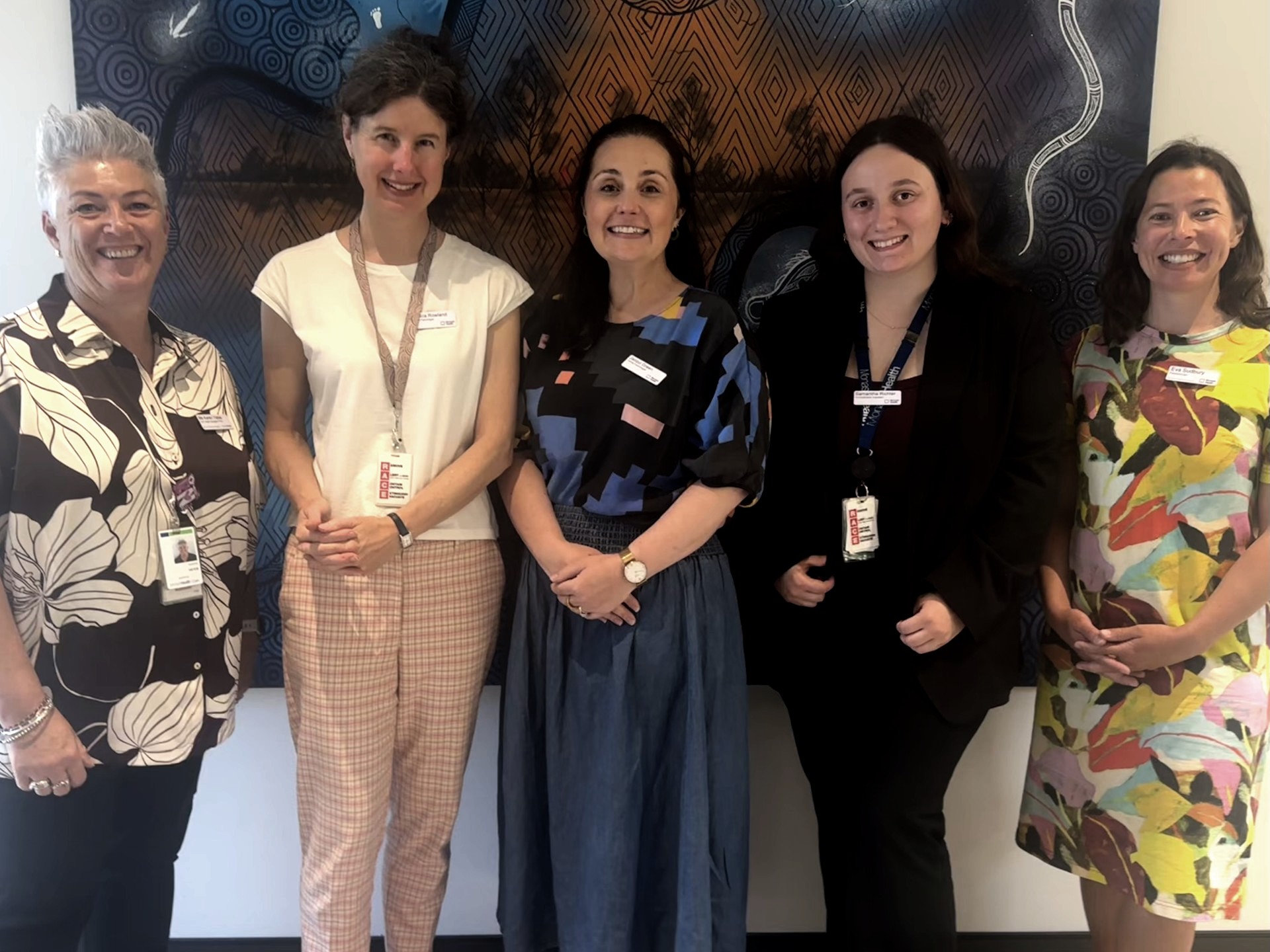
The Pathway to Good Health Southern Melbourne team
PTGH Southern Melbourne serves the Dandenong, Casey and Cardinia LGAs, assessing the health and wellbeing of children aged between 0 and 17 as they enter (and sometimes re-enter) out-of-home care. Factors such as abuse, neglect, instability and trauma mean these children have poorer physical, psychological and developmental outcomes than others their age.
The Southern Melbourne program is staffed by a registered nurse, paediatrician, speech therapist, psychologist, social worker and administrative staff. Such close collaboration allows for creative problem-solving to a wide range of healthcare needs, from immunisation and dental, through to psychological and chronic health conditions.
‘Our flexible, trauma‑informed, culturally safe service is a good example of our program being innovative in the face of access barriers, unstable placements and a very stretched community health service.’ says Clinical Nurse Consultant Karen Yates.
Some assessments can be straightforward, requiring an initial health and social history screening to inform a simple health management summary. Others have more complex needs, requiring attendance at the multi-disciplinary clinic, held weekly.
Karen and the team work with child protection, carers, Monash Health teams and external providers to coordinate efficient care delivery. Reducing the burden on carers means shorter wait times, fewer missed appointments and better outcomes overall.
For the team, the impact is clear:
‘We’re most proud of establishing the clinic, seeing our first child only 3 weeks after starting, and having it evolve to what it is 12 months later.’
Adjunct Associate Professor Katrina Harris, Head of the Developmental and Community Paediatrics Unit, says she’s received positive feedback on the team’s work so far.
‘People working in the field have said that not only the assessments, but the health management plans have made access to the necessary services much easier, leading to meaningful, timely healthcare outcomes.’
Since commencing in February of last year, the team has received more than 250 referrals, providing health recommendations for every child and supporting 51 children through the multi-disciplinary clinic.