


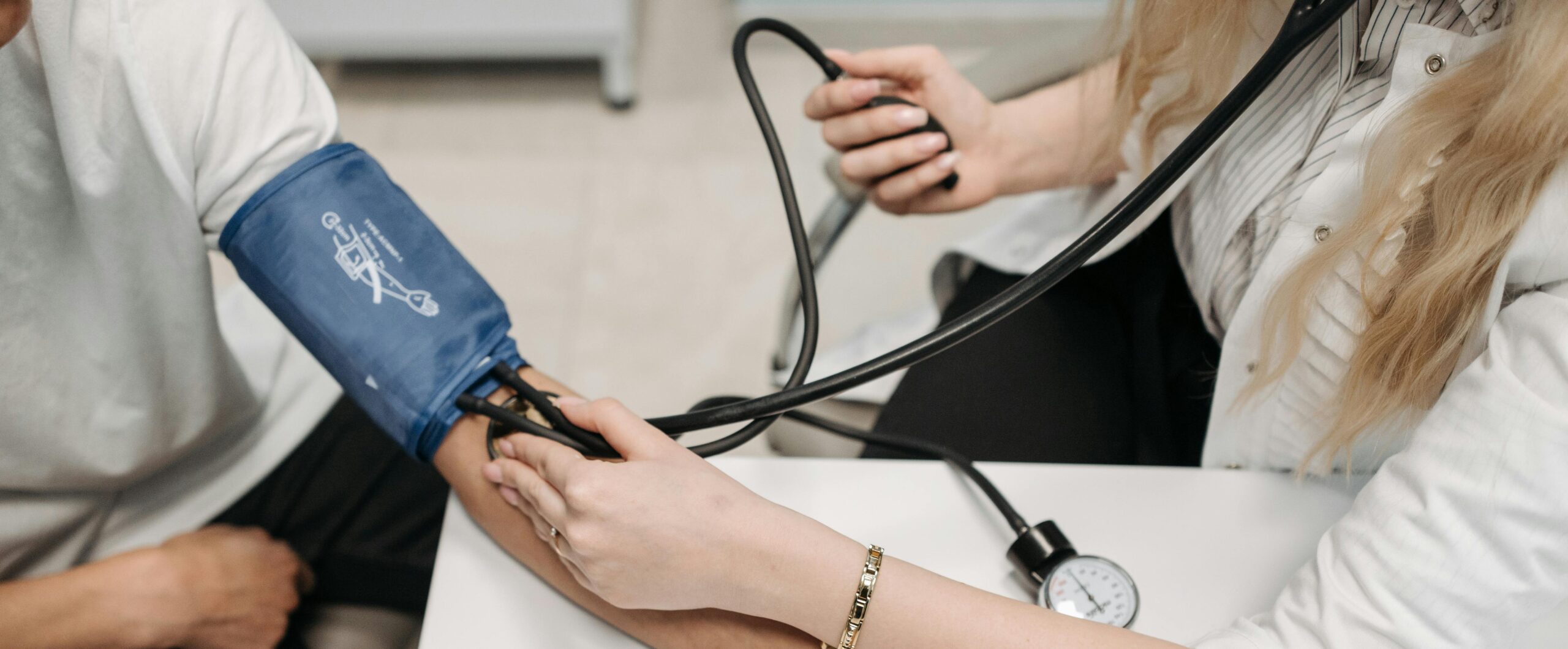
Who should be tested?
Current guidelines increasingly support broader screening for PA in all adults with hypertension. A study conducted in Victorian primary care clinics reported that GP-led screening amongst patients with treatment-naïve hypertension led to a diagnosis of PA in 14% (one in seven).
High-risk features include resistant hypertension, hypokalaemia (spontaneous or diuretic-induced), hypertension with an adrenal adenoma, and early-onset hypertension or a family history of hypertension/stroke. However, these features do not need to be present for a patient with hypertension to be tested for PA.
How to screen for PA
Screening is simple and involves a blood test measuring aldosterone and renin to calculate the aldosterone-to-renin ratio (ARR). Ideally, testing is performed in the morning, with the patient ambulatory and potassium replete. Most antihypertensive medications interfere with results. Where safe, these can be switched to alternatives such as non-dihydropyridine calcium channel blockers, alpha-blockers, or moxonidine prior to testing. Practical guidance for medication adjustment is available through our resources.
What happens next?
Patients with a positive screening test should be referred to an endocrinologist for further evaluation to confirm the diagnosis of PA and determine if the disease is caused by unilateral or bilateral subtypes. This may include additional blood tests, adrenal imaging, and, in selected cases, adrenal vein sampling (AVS) for subtyping. Treatment options include targeted medical therapy (e.g. mineralocorticoid receptor antagonists) or laparoscopic adrenalectomy for unilateral disease.
Referral pathway
GPs can refer patients with suspected or confirmed PA to the Endocrine Hypertension Service at Monash Health, where multidisciplinary care is provided, including access to specialised testing and AVS.
Resources for GPs and patients
The Primary Aldosteronism Centre of Excellence (PACE), based at the Hudson Institute of Medical Research, provides practical, evidence-based resources to support both clinicians and patients, including:
- Frequently Asked Questions relating to PA screening
- Screening for PA – a guide to switching medications
- Adrenal vein sampling for PA
- Referral pathways to Endocrine Hypertension Clinics in VIC, WA, QLD
Patient resources are available through the Primary Aldosteronism Centre of Excellence (PACE) website (consumer tab), and include:
- Patient information sheets – What is PA? How is PA diagnosed? How is PA treated? (currently available in English, Punjabi, and Vietnamese; more languages in development)
- Diet and nutrition information
- Lifestyle modifications
- Low-sodium food chart
- Adrenal vein sampling information for patients
- Access to a PA patient support group (via QR code)
You can also follow PACE on LinkedIn.