
World-first study links poor childhood sleep to PMOS diagnosis
- Research
- 4 min read
A world-first study has found that girls with polyendocrine metabolic ovarian syndrome (PMOS) had significantly poorer sleep behaviour across childhood and adolescence, compared to girls without PMOS.
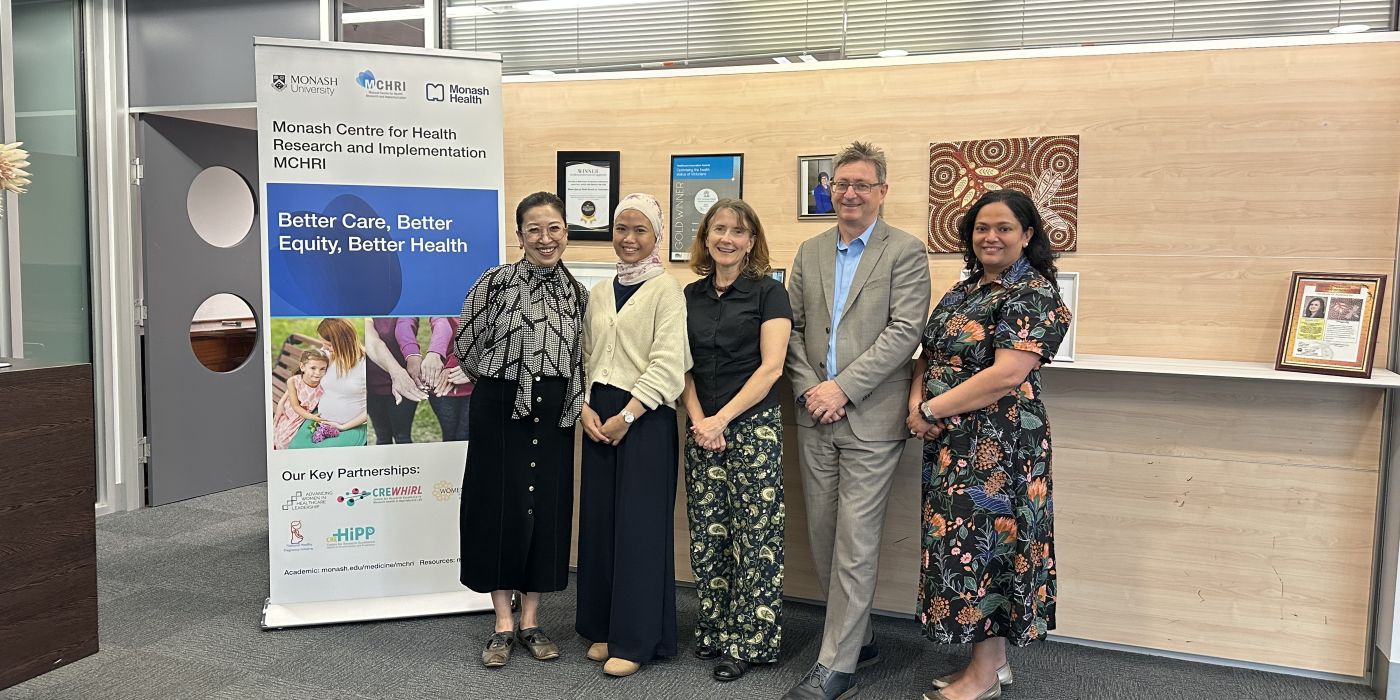
This is the first time that researchers have looked at carer-recorded sleep behaviours at ages 5, 8, 10 and 14 and linked them with the diagnosis of PMOS, at the age of 14.
A PMOS diagnosis at 14 years of age is based on 2 criteria:
- hyperandrogenism, a medical condition characterised by excessively high levels of androgens, which are male sex hormones, such as testosterone
- ovulatory dysfunction, which is irregular, infrequent, or absent release of eggs, often caused by hormonal imbalances
The primary author of the study, Nur Abdul Jafar, is a PhD candidate at the Monash Centre for Health Research and Implementation (MCHRI), which is a collaborative partnership between Monash Health and Monash University.
‘One of the significant findings was how early the sleep differences appeared. We found that poorer sleep behaviours were already evident in childhood, particularly around age 8 and were associated with a higher likelihood of developing PMOS later in adolescence,’ said Nur.
‘While this aligns with our original hypothesis, the strength of the association was somewhat surprising. PMOS is typically diagnosed during the teenage years or adulthood, so seeing these patterns emerge much earlier suggests that underlying risk factors may begin in early development.’
The data that underpinned this study was collected as part of the Raine Study, which recruited 2,900 pregnant women in Western Australia between 16 and 20 weeks of gestation from 1989 to 1991. The offspring of the women were categorised as participants in the Raine Study cohort.
In this present study, the data from 226 female participants in this group was analysed.
Nur says the results suggest that poor sleep quality and/or quantity may both contribute to and reflect early neuroendocrine and metabolic dysregulation underlying PMOS.
‘This highlights the potential for identifying and addressing sleep disturbances early as a modifiable pathway to mitigate long-term health risks associated with PMOS,’ she said.
‘Future research should focus on longitudinal analyses in larger cohorts to elucidate mechanisms and guide early preventive strategies in clinical practice.’
Monash Health’s role
Monash Health, through MCHRI, provided the academic and clinical research environment that supported this work.
This included supervision and input from clinicians across sleep medicine, endocrinology, and dietetics, as well as methodological guidance and expertise in women’s health and epidemiology.
Director of Monash Health Sleep Service Clinical Professor Darren Mansfield highlights the contribution of sleep research within this work.
‘Monash Health’s sleep service contributes to the wider body of work within this PhD, including related projects such as a pilot randomised controlled trial, where home sleep apnoea testing is provided as part of the screening process for obstructive sleep apnoea in women with PMOS.’
This was complemented by Monash Health’s PCOS service.
PCOS Service at Monash Medical Centre
The PCOS Service (which will be officially renamed the Women’s Reproductive Health PMOS in the coming months) is a specialised, statewide multidisciplinary service designed for holistic care of women with PCOS.
The team at the PCOS Service, Associate Professor Anju Joham, an endocrinologist and Clinical Lead, endocrinologist Dr Jillian Tay as well as senior author of the study, Professor Lisa Moran, who is also a research dietitian and accredited practising dietitian, emphasised the clinical integration of this research.
‘At Monash Health, this has practical implications for how we deliver care. This provides an excellent opportunity to incorporate our findings by routinely considering sleep as a key, modifiable risk factor through screening, appropriate referral, and targeted interventions for sleep disorders,’ she said.
‘While improving sleep alone is unlikely to prevent PMOS, it represents a meaningful and actionable step towards improving long-term reproductive and metabolic health outcomes.’
Nur says her findings suggest that sleep differences may appear earlier in life, but more research is needed to understand whether poor sleep contributes to PMOS development, or whether early underlying biological factors linked to PMOS also affect sleep.
‘This study cannot determine cause and effect, but it does show an association over time. These findings suggest that early sleep difficulties could be an important early indicator of increased PMOS risk,’ said Nur.
‘Clinically, this reinforces the importance of recognising and addressing sleep problems in childhood such as difficulty falling or staying asleep as part of a broader, preventative approach to care.
‘Supporting healthy sleep through consistent routines, good sleep hygiene, and behavioural strategies may contribute to better hormonal and metabolic health during development.’
*PCOS has officially been renamed polyendocrine metabolic ovarian syndrome (PMOS).


